Understanding the Face Value of a Stock
Understanding the Face Value of a Stock
Face value, or par value, is the assigned dollar amount of a stock issued by a company. Let's take a stock with a $10 face value. This means that each share represents $10 of the company's capital. The face value is a value determined by the company, which may not necessarily reflect the true market value of the stock.
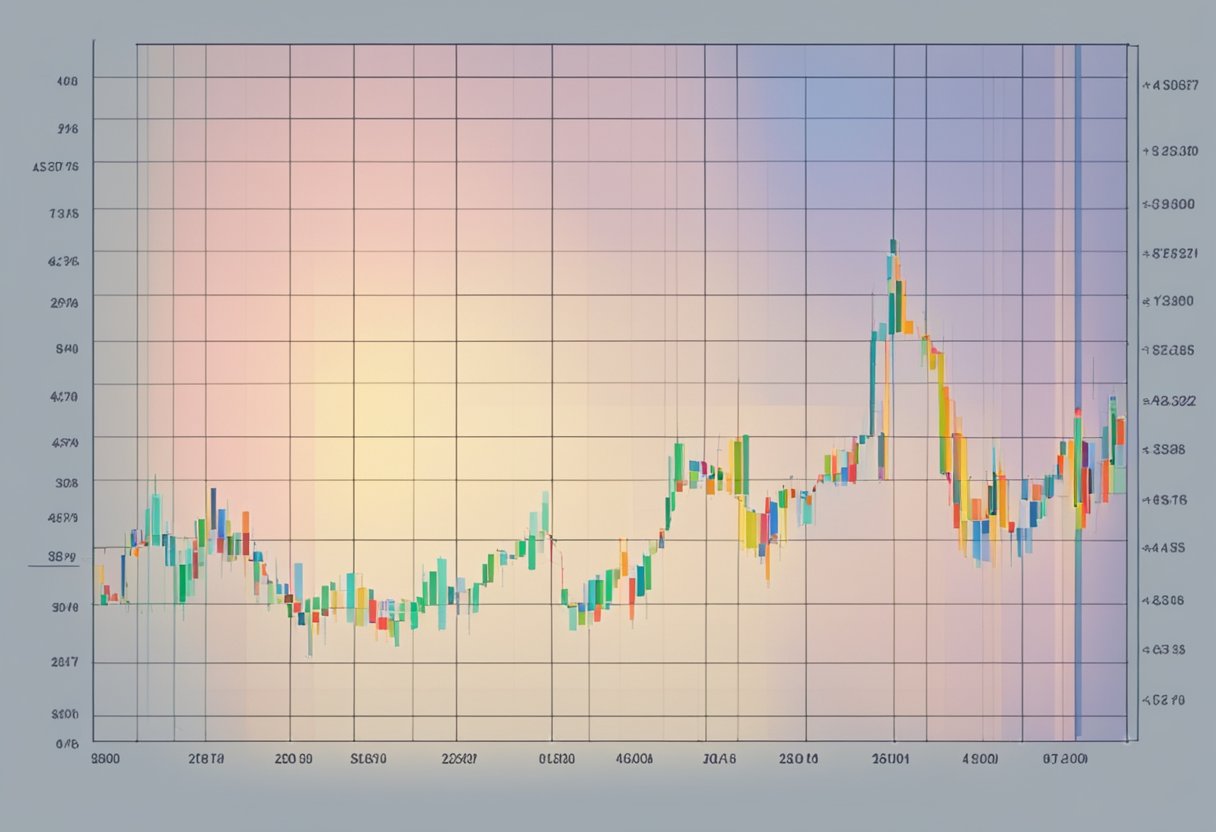
The main distinction between face value and market value is that face value remains constant, while market value changes depending on the balance of supply and demand. For example, if a stock is in high demand, it could trade at $15 per share in the market, even though its face value is only $10. On the other hand, it might be valued at $7 per share if investors are getting rid of the stock. The face value remains constant, while the market value fluctuates based on the opinions of investors.
To put it simply, face value is the amount set by the company when they issue stock, while market value is the price determined by supply and demand in the market. Face value remains relatively consistent, whereas market value is subject to frequent fluctuations.
The Significance of Face Value in Evaluating Stocks
The value of a stock's face value is closely tied to its book value and market value. The face value of an asset is determined when it is first issued, but the book value and market value can change over time.
The face value represents the lowest possible price at which a company's shares can be valued. In most jurisdictions, it is not legally permissible for shares to be traded below their face value in the public markets. The face value of a stock sets a minimum price for it.
The face value of a share represents the ownership stake it holds. Take a stock with a $10 face value, which means that each share represents 1/10th ownership of the total equity capital when the company offered shares to the public. This stays the same unless it's altered by corporate actions such as stock splits.
So, face value helps investors understand the lowest price they have to pay to own a part of the company, and how much each share represents. This information is useful for making investment decisions by comparing the current market value to the face value.
Calculating the Face Value of Common Stock
Calculating the face value of a company's common stock is a straightforward process. Here is a straightforward breakdown of the steps:
- Determine the overall amount of share capital that the company is legally allowed to issue. This represents the upper limit of shares that a company can issue, as specified in its articles of incorporation.
- To calculate, simply divide the total authorised share capital by the number of shares issued. The outcome represents the value assigned to each individual share.
Let's say a company has authorised share capital of $1,000,000 and has issued 100,000 shares. In this case, the face value per share would be:
The face value per share is calculated by dividing the total authorised share capital by the number of shares issued.
The calculation is $1,000,000 divided by 100,000.
The cost is $10.
In this example, each share has a face value of $10. The total value of all the shares that have been issued would be calculated by multiplying $10 by 100,000, resulting in a sum of $1,000,000.
Sometimes, companies will clearly state the face value in their financial statements or regulatory filings. If not, investors can easily calculate it using the steps provided above.
Understanding the Importance of Face Value in Corporate Actions
Understanding the face value of a stock is crucial when it comes to corporate actions like stock splits, bonus issues, mergers, and acquisitions. Let's take a look at how it affects important events:
Understanding Stock Splits:
Additional Considerations:
Expert Insights on Mergers and Acquisitions:
- When two companies merge, the value of the new company is calculated using something called the share exchange ratio.
- During an acquisition, the acquiring company's face value remains the same, but the shares of the target company no longer exist.
- The deal value is determined based on the face values of the companies involved.
Assessing Stock Price Levels Based on Face Value
Assessing whether a stock's current market price is trading at a premium or discount to the stated face value is one of the main purposes of face value. Investors can assess the accuracy of a company's market value by comparing it to the face value per share and evaluating its fundamentals.
Let's take an example. If a stock has a face value of $5 per share, but it's currently trading at $10 per share, we say that it's trading at a 100% premium to face value. Investors are showing a strong willingness to pay double the original face value, reflecting their positive outlook on future growth prospects.
Alternatively, if the market price of a share is $2.50 while the face value remains at $5, it means that the stock is being traded at a 50% discount compared to its face value. It seems that the market has a pessimistic outlook on the company's fundamentals and future prospects.
Typically, growth stocks are priced higher, while distressed or underperforming stocks are priced lower than their face value. However, it's important for investors to carefully analyse the reasons behind a premium or discount, rather than making assumptions about its true value.
It's important to thoroughly analyse the company's financials, industry trends, competitive position, growth rates, and cash flows. These factors provide valuable insights into the company's overall performance and potential for growth.
- It might not make sense to pay a lot for something if its growth is not sustainable, or to underestimate the value of a situation that is improving.
By carefully examining market prices in relation to face value and understanding the factors that contribute to premiums or discounts, investors can make well-informed choices regarding when to enter, exit, or hold their investments.
Drawbacks of Using Face Value for Analysis
Although face value can provide valuable insights, it's important for investors to understand its limitations as an analytical tool:
There is a significant gap between the perceived value and the actual value of stocks that are trading at very high or low premiums/discounts to their face value. When it comes to these cases, the face value of a stock doesn't really matter when figuring out if it's over or undervalued.
In general, looking at things superficially only gives you a narrow view of their worth. When evaluating a stock, it's important for investors to consider a range of metrics such as P/E, P/B ratios, and DCF models. By doing so, they can gain a more comprehensive understanding of the stock's value, rather than simply relying on surface-level comparisons.
Understanding Accounting Rules and Reporting for Face Value

It is crucial to ensure that the face value of a stock is accurately accounted for and reported in order to maintain transparency for investors. Publicly traded companies are required to adhere to stringent guidelines and standards when it comes to disclosing face value.
When it comes to financial statements, such as the balance sheet, it's important to clearly report the face value of common and preferred stock in the shareholders' equity section. Important information includes the total number of authorised, issued, and outstanding shares, as well as the par value per share.
Accounting standards, such as GAAP in the US and IFRS internationally, provide guidelines for recording and reporting the face value of stock when it is first issued by a company. The par value is a crucial factor in determining the share capital account, which is directly influenced by the number of shares issued.
Proper accounting treatment and reporting are necessary for any changes to the face value resulting from corporate actions such as stock splits. It is important to ensure that the revised face value and number of shares are accurately presented after the split.
Following accounting standards to report face value helps to make the stated capital of the company more transparent. Financial statement users can assess ownership stakes, liquidation rights, and other relevant factors.
Understanding the Tax Consequences of Face Value
Understanding the face value of a stock is crucial when it comes to calculating tax obligations for investors.
Calculating Capital Gains Tax
To calculate capital gains tax on the sale of stocks, you'll need to know the cost basis. This is important because it helps determine the amount of taxable gain. Typically, the cost basis refers to the amount you paid for the shares when you bought them. However, sometimes the face value can be used as the cost basis instead.
Rules for Dividend Distribution Tax
Companies pay Dividend Distribution Tax (DDT) on the dividends they distribute to shareholders. Understanding the taxability of dividends is determined by their face value.
Gaining a solid grasp of how face value and taxes interact can help investors maximise tax efficiency and boost their net returns on stock investments.
Effective Investment Strategies Based on Face Value
Understanding face value is crucial for making informed investment decisions. It becomes even more powerful when used alongside other financial ratio analysis.
Here are some factors that can help you make informed decisions on whether to buy, sell, or hold:
Including face value in the research process, along with other metrics, can help inform smart investment strategies.
Terminology Variations in Different Asset Classes
The term "face value" is a common phrase used in different areas of finance, and it can have slightly different interpretations:
Terminology can vary across different countries:
Although the basic idea is the same, different countries and types of assets may use different terms to refer to face value.
In Summary
To summarise, the face value of a stock is a crucial factor for investors to take into account. However, it should not be evaluated in isolation. Here are some important points to remember:
Understanding the face value of a stock can give you valuable insights into its price levels and corporate structure, making it easier to make informed investment decisions. However, it's important for investors to not only consider face value, but also take into account other metrics and qualitative factors. It's a good idea to consider the face value of a stock as part of a comprehensive analysis before making any decisions to buy, sell, or hold.
Here are some important tips to keep in mind when using face value analysis:
- Understand the minimum stock price and ownership by looking at the face value.
- Take into account any changes in the stated value of a security resulting from corporate actions.
- Examine the current market price in relation to the face value.
- Utilize ratios such as P/E and P/B to gain a deeper understanding.
- Consider the true worth of something by taking into account its qualitative aspects.
- Consider the information at hand when making investment decisions, but don't let it be the sole determining factor.
Frequently Asked Questions
I have compiled answers to 7 frequently asked questions about the face value of stocks:
Can you explain the distinction between face value and market value?
The face value of a stock is simply the value that is assigned to it, whereas the market value is the actual price at which it is traded on the stock market. Face value remains constant, while market value changes depending on the balance of supply and demand.
The Significance of Face Value
Face value represents the basic price and ownership percentage of each share. This calculation is commonly used to determine the book value of an asset and to evaluate whether the market value is higher or lower than expected.
Do dividends depend on the face value of a stock?
Indeed, dividends are frequently determined as a proportion of the face value. Stocks with a higher face value generally result in higher dividend payments per share.
Is it possible for a company to alter the face value?
Indeed, the face value of a stock can be modified through stock splits or reverse stock splits. This adjustment alters the number of shares available for trading without affecting the company's total market value.
Does face value refer to the initial price of the stock?
No, the initial price at which the item was issued is not the same as its face value. During a company's initial public offering, face value is assigned without any specific criteria.
Does the value of a stock change when its price increases?
No, the face value of a stock remains the same regardless of any fluctuations in the market price. The company determines the face value, which remains constant.
Is it a good idea to purchase stocks that are trading below their face value?
It's not always the case. A stock price that is lower than its face value may indicate a company's weak financial condition. Understanding valuation ratios and growth prospects is crucial for making informed investment decisions.
Post a Comment