A Company's Balance Sheet: What It Is and How It Works
A Company's Balance Sheet: What It Is and How It Works
An essential financial document, a balance sheet shows the financial health of a business as of a certain date. It is a synopsis of the assets, liabilities, and equity of the firm. Creditors, investors, and others who have a stake in a company's financial well-being use it as a benchmark.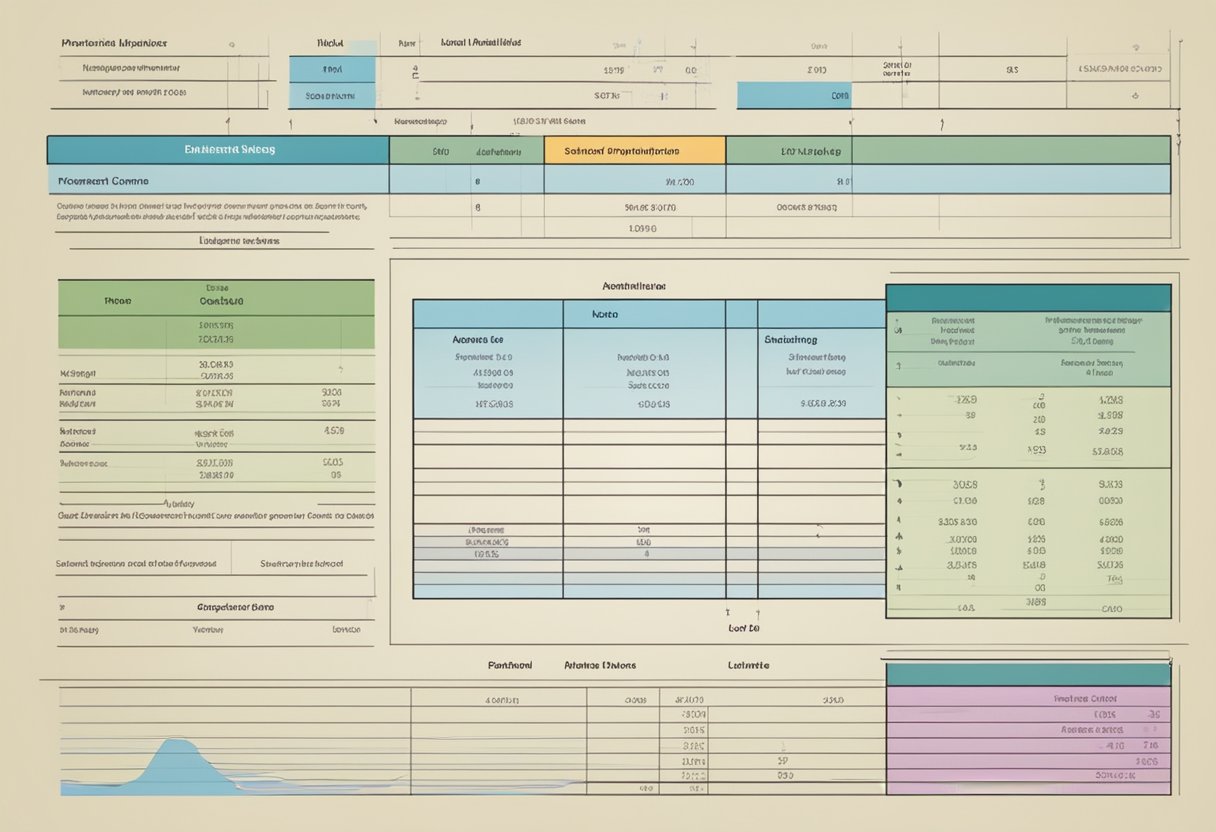
A company's financial status is shown by a balance sheet, which has assets on one side and liabilities on the other.
Assets = Liabilities + Shareholders' Equity is the basic equation upon which the balance sheet is founded. A company's assets are listed on the left side of the balance sheet, while its liabilities and shareholders' equity are shown on the right side. Cash, receivables, inventory, real estate, and machinery and tools are all considered assets, while accounts payable, loans, and other obligations are considered liabilities.
Creditors and investors must have a firm grasp of balance sheets in order to make educated judgments. One way to assess a company's financial health and solvency is to look at its assets, liabilities, and shareholders' equity. They may also evaluate the liquidity, solvency, and profitability of a firm by using financial parameters.
A balance sheet is mostly used to show how a company's finances are doing financially. Creditors and investors may better grasp the company's financial situation using this report. Additionally, it aids in their assessment of the company's liquidity, or its capacity to pay bills and make a profit.
The following are essential parts of a balance sheet:
A company's assets are its possessions that are both valuable economically and potentially profitable. One kind of asset is a current asset, while another is a non-current asset.
All things considered, assets are a vital part of a company's balance sheet as they show the resources that the business has at its disposal to make money.
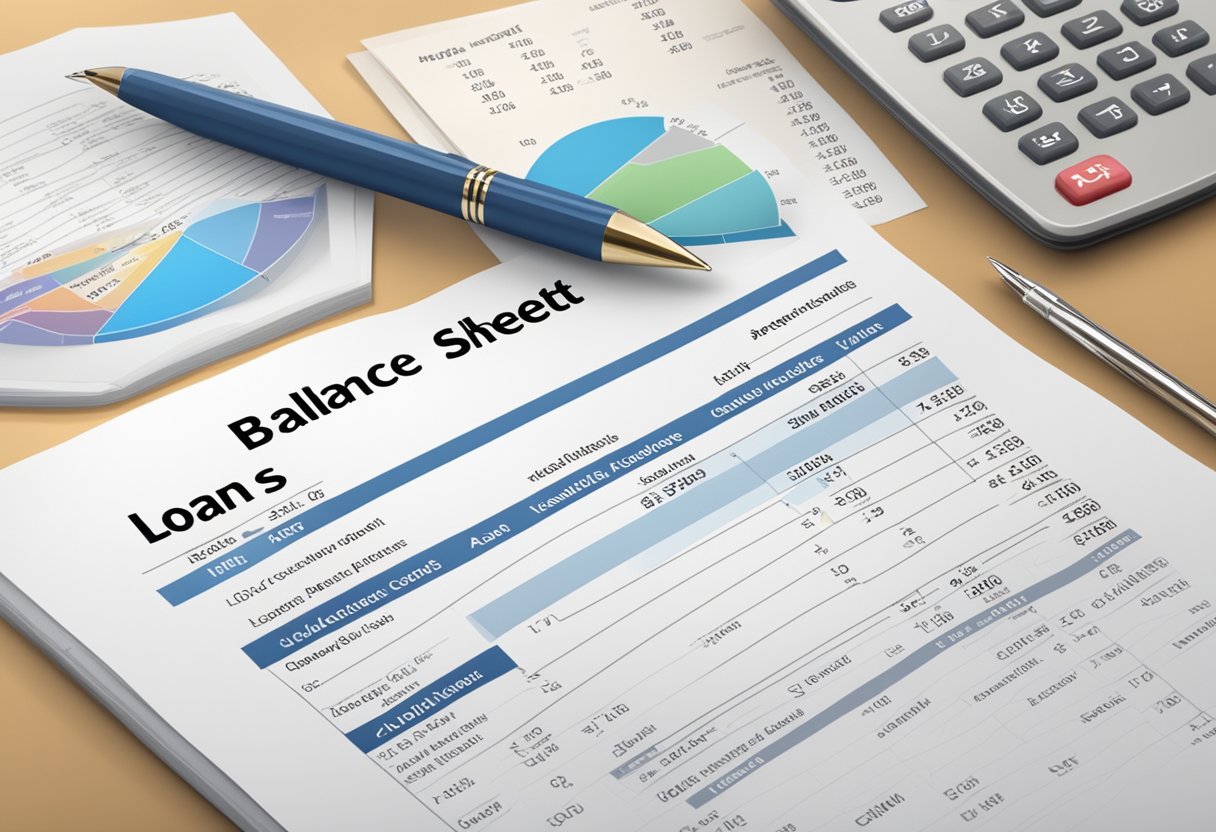
One kind of financial statement is the balance sheet, which shows the financial health of a business as of a certain date. Assets, liabilities, and equity for shareholders are the three main parts of a balance sheet. A business's assets include things like money, investments, and real estate. Loans and accounts payable are examples of liabilities that a business owes. When a company's obligations are subtracted from its assets, the remaining stake in those assets is called shareholders' equity.
What does a company's balance sheet tell us about its financial health?
Examining the interplay between a company's assets, liabilities, and shareholders' equity is essential for deducing its financial health from a balance sheet. If a business has more assets than liabilities, it means it is in good financial standing and can pay its bills when they come due. Also, if the company's shareholders' equity is large, it means it's doing well financially and has been able to hang on to its profits.
On a balance sheet, what do assets and liabilities represent?
A business's assets are its personal possessions and potential sources of revenue, while its liabilities are the sum total of all the money and other resources that the business owes other people. Net worth, often called shareholders' equity, is the amount by which a company's assets are less than its liabilities.
What is the frequency with which public firms' balance sheets are revised and made public?
The Securities and Exchange Commission (SEC) requires publicly traded corporations to provide financial statements at least once a year and periodically. Statements of income, balance sheet, and cash flow are all part of these financial documents. A public company is required to update and publish its balance sheet at least once a year, although many choose to do so more often.
How does the equity of shareholders show up in a company's financial statements?
Separate from liabilities, shareholders' equity is what you'd see on a company's balance sheet. It is the remaining stake in a company's assets after subtracting its obligations and is determined by dividing total assets by total liabilities.
How is a company's liquidity evaluated using a balance sheet?
A company's liquidity, or its capacity to satisfy its short-term financial commitments, may be gleaned from its balance sheet. Investors and analysts may understand whether a firm has sufficient liquid assets to pay its bills when they come due by looking at the connection between its current liabilities and current assets. If a business has more liquid assets than short-term debts, its current ratio will be high, indicating its balance sheet is in good shape.
Assets = Liabilities + Shareholders' Equity is the basic equation upon which the balance sheet is founded. A company's assets are listed on the left side of the balance sheet, while its liabilities and shareholders' equity are shown on the right side. Cash, receivables, inventory, real estate, and machinery and tools are all considered assets, while accounts payable, loans, and other obligations are considered liabilities.
Creditors and investors must have a firm grasp of balance sheets in order to make educated judgments. One way to assess a company's financial health and solvency is to look at its assets, liabilities, and shareholders' equity. They may also evaluate the liquidity, solvency, and profitability of a firm by using financial parameters.
Introduction to Balance Sheets
The name and date of the firm are clearly shown at the top of the balance sheet, which is structured in columns and rows with assets, liabilities, and equity.The Significance and Goal
One kind of financial statement is the balance sheet, which shows the financial health of a business as of a certain date. You can learn a lot about a company's financial stability and health from its balance sheet, which details its assets, liabilities, and equity. Investors, creditors, and everybody else interested in a company's financial health must have a copy of the balance sheet.A balance sheet is mostly used to show how a company's finances are doing financially. Creditors and investors may better grasp the company's financial situation using this report. Additionally, it aids in their assessment of the company's liquidity, or its capacity to pay bills and make a profit.
Important Parts
Assets and liabilities and equity are the two primary parts of the balance sheet. Company assets include things like cash, merchandise, and real estate, all of which have the potential to bring in revenue. A business's liabilities include things like loans, accounts payable, and unpaid taxes. After deducting liabilities from assets, the remaining amount is the company's net value, which is represented by equity.The following are essential parts of a balance sheet:
- Assets that may be turned into cash within a year are known as current assets. This category includes cash, accounts receivable, and inventory.
- All of a business's owned and used physical assets, like as buildings, machinery, and other pieces of equipment, are considered fixed assets.
- Accounts payable, taxes due, and short-term loans with repayment terms of one year or less are all examples of current liabilities.
- Any obligation with a maturity date of more than one year is considered a long-term liability.
- Owners' stake in the company When assets are deducted from liabilities, the result is the net value of the firm.
Assets
The assets section of the balance sheet should be well-organized and easy to read.A company's assets are its possessions that are both valuable economically and potentially profitable. One kind of asset is a current asset, while another is a non-current asset.
Current Assets
Assets that can be turned into cash within a year or one operational cycle are considered current assets. Among these assets are:- Bank accounts, short-term investments, and other forms of liquid assets
- Customers owe the business money, which is known as accounts receivable.
- What a business has on hand that it plans to sell are the items that are known as inventory.
- Things like insurance payments and rent are examples of prepaid costs.
Non-Current Assets
Assets that are not anticipated to be turned into cash within a year or one operational cycle are considered non-current assets. Among these assets are:- Various forms of real estate, including structures, machines, and automobiles
- Goodwill, patents, and trademarks are examples of intangible assets.
- Securities with a longer time horizon, including bonds and equities
All things considered, assets are a vital part of a company's balance sheet as they show the resources that the business has at its disposal to make money.
Liabilities
A balance sheet that details all of a company's financial responsibilities, such as loans, accounts payable, and more
One kind of financial statement is the balance sheet, which shows the financial health of a business as of a certain date. The assets and liabilities parts make up the balance sheet. A business's liabilities include all of its debts to other parties, including creditors.
Finally, a company's balance statement would be incomplete without liabilities. They stand for the sums that a business owes its many stakeholders, including creditors. Both current and long-term obligations are included on a balance sheet. Current liabilities are those having maturities of one year or less, whereas long-term liabilities have maturities of more than one year.
The phrase "shareholders' equity" is used in accounting to describe the remaining stake in a company's assets after liabilities have been subtracted. If a business were to liquidate all of its assets and pay off all of its debts, the remaining sum would represent its net worth. Book value, net assets, and shareholders' equity are interchangeable terms.
The amount of money that owners have put in a firm is shown in the shareholders' equity part of the balance sheet. All investments, both original and subsequent, made by shareholders are part of this total. Included as well are any earnings that the business has kept for its own use rather than paying out dividends to its shareholders.
In a standard balance sheet, the shareholders' equity part is subdivided into the following:
In order to assess the financial well-being and performance of an organization, financial ratios are used. The figures from a company's income statement, balance sheet, and cash flow statement are used to compute these. A number of subsets of financial measures exist, such as those measuring profitability, liquidity, debt, and others.
Finally, analysts and investors must have a firm grasp of financial parameters in order to evaluate the soundness and performance of a business. Numerous financial measures, such as the debt-to-equity and liquidity ratios, may provide light on the financial health of a business.
One kind of financial statement is the balance sheet, which shows the financial health of a business as of a certain date. The assets and liabilities parts make up the balance sheet. A business's liabilities include all of its debts to other parties, including creditors.
Present Owings
Debits having maturities of one year or less are referred to as current obligations. Accounts payable, accumulated costs, and short-term loans are all examples of liabilities. A company's accounts payable are the sums it owes its suppliers for services and items that have been received but not yet paid for. Loans having repayment terms of one year or less are considered short-term. expenditures that have already been paid for but have not been fully settled are known as accrued expenditures.Future Obligations
Debts with maturities more than twelve months after the balance sheet date are considered long-term liabilities. Deferred taxes, long-term loans, and payable bonds all fall under this category of obligations. Any loan with a maturity date more than twelve months after the balance sheet date is considered a long-term loan. When a business needs money, it could issue bonds due, which are a kind of long-term debt security. Taxes that a business has not paid but will owe in the future are known as deferred taxes.Finally, a company's balance statement would be incomplete without liabilities. They stand for the sums that a business owes its many stakeholders, including creditors. Both current and long-term obligations are included on a balance sheet. Current liabilities are those having maturities of one year or less, whereas long-term liabilities have maturities of more than one year.
The Equity of Shareholders
Common stock, retained profits, and extra paid-in capital make up the shareholders' equity component of a balance sheet.The phrase "shareholders' equity" is used in accounting to describe the remaining stake in a company's assets after liabilities have been subtracted. If a business were to liquidate all of its assets and pay off all of its debts, the remaining sum would represent its net worth. Book value, net assets, and shareholders' equity are interchangeable terms.
The amount of money that owners have put in a firm is shown in the shareholders' equity part of the balance sheet. All investments, both original and subsequent, made by shareholders are part of this total. Included as well are any earnings that the business has kept for its own use rather than paying out dividends to its shareholders.
In a standard balance sheet, the shareholders' equity part is subdivided into the following:
- The original capital that shareholders put into a corporation when they bought stock is represented by its common stock.
- Beyond the original investment in shares, shareholders may have put more money into the business, which is known as extra paid-in capital.
- The term "retained earnings" describes the amount of money a business keeps for itself instead of paying out dividends to shareholders.
- Amounts of profit or loss that have not been deducted from income yet are included in accumulated other comprehensive income.
Making Sense of Financial Ratios
A company's assets and liabilities are detailed on the balance sheet.In order to assess the financial well-being and performance of an organization, financial ratios are used. The figures from a company's income statement, balance sheet, and cash flow statement are used to compute these. A number of subsets of financial measures exist, such as those measuring profitability, liquidity, debt, and others.
Equity-to-Debt Ratio
One financial statistic that looks at how much debt a firm has in relation to how much equity it has is called the debt-to-equity ratio. A company's leverage and financial risk may be evaluated using this tool. A high debt-to-equity ratio suggests that a company's financial health is precarious, since it has taken on more debt compared to equity. Conversely, if a company's debt-to-equity ratio is low, it suggests that its equity is higher than its debt, suggesting that it would be better equipped to weather financial storms.Cash Flow Ratios
A company's liquidity ratio indicates how well it can pay its short-term bills. They look at the difference between a business's short-term assets and liabilities. Nowadays, the current ratio and the quick ratio are the liquidity ratios that are most often used. Divide the current assets by the current liabilities to get the current ratio. One way to determine a company's quick ratio is to take its current assets minus its inventory and divide the remainder by its current liabilities.Finally, analysts and investors must have a firm grasp of financial parameters in order to evaluate the soundness and performance of a business. Numerous financial measures, such as the debt-to-equity and liquidity ratios, may provide light on the financial health of a business.
Questions and Answers
A well-organized balance sheet with clearly defined divisions and numerical financial data
Can you tell me what a balance sheet is and how it works?
Can you tell me what a balance sheet is and how it works?
One kind of financial statement is the balance sheet, which shows the financial health of a business as of a certain date. Assets, liabilities, and equity for shareholders are the three main parts of a balance sheet. A business's assets include things like money, investments, and real estate. Loans and accounts payable are examples of liabilities that a business owes. When a company's obligations are subtracted from its assets, the remaining stake in those assets is called shareholders' equity.
What does a company's balance sheet tell us about its financial health?
Examining the interplay between a company's assets, liabilities, and shareholders' equity is essential for deducing its financial health from a balance sheet. If a business has more assets than liabilities, it means it is in good financial standing and can pay its bills when they come due. Also, if the company's shareholders' equity is large, it means it's doing well financially and has been able to hang on to its profits.
On a balance sheet, what do assets and liabilities represent?
A business's assets are its personal possessions and potential sources of revenue, while its liabilities are the sum total of all the money and other resources that the business owes other people. Net worth, often called shareholders' equity, is the amount by which a company's assets are less than its liabilities.
What is the frequency with which public firms' balance sheets are revised and made public?
The Securities and Exchange Commission (SEC) requires publicly traded corporations to provide financial statements at least once a year and periodically. Statements of income, balance sheet, and cash flow are all part of these financial documents. A public company is required to update and publish its balance sheet at least once a year, although many choose to do so more often.
How does the equity of shareholders show up in a company's financial statements?
Separate from liabilities, shareholders' equity is what you'd see on a company's balance sheet. It is the remaining stake in a company's assets after subtracting its obligations and is determined by dividing total assets by total liabilities.
How is a company's liquidity evaluated using a balance sheet?
A company's liquidity, or its capacity to satisfy its short-term financial commitments, may be gleaned from its balance sheet. Investors and analysts may understand whether a firm has sufficient liquid assets to pay its bills when they come due by looking at the connection between its current liabilities and current assets. If a business has more liquid assets than short-term debts, its current ratio will be high, indicating its balance sheet is in good shape.
Post a Comment